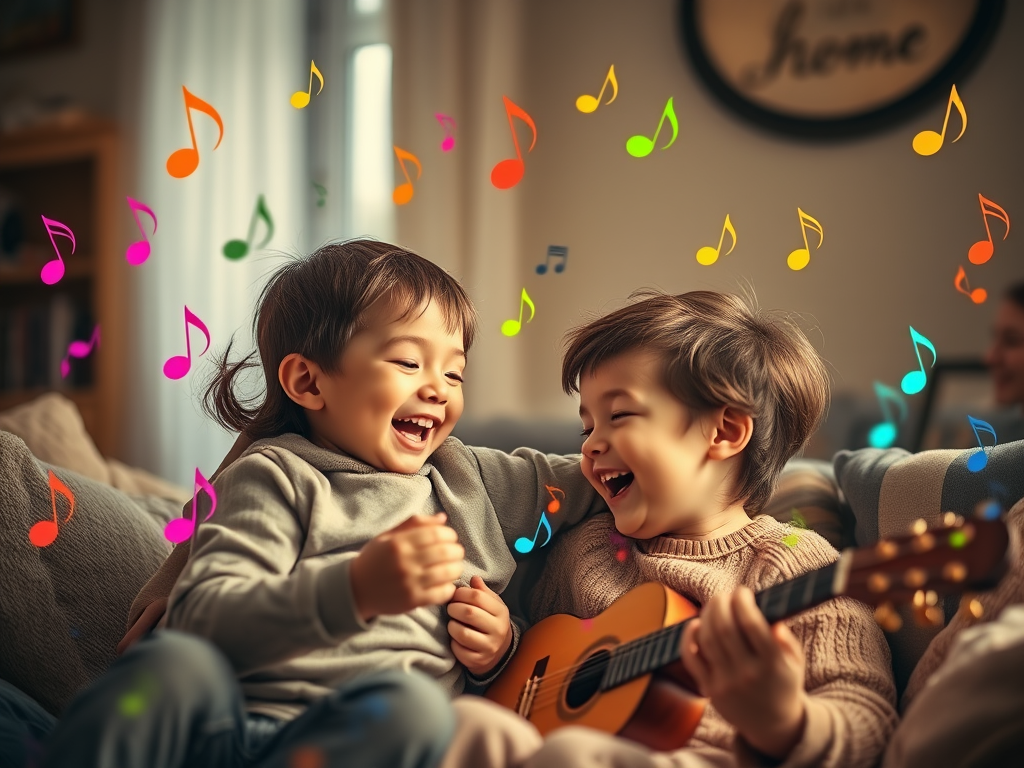
When I first encountered the Music Together approach, I expected typical kids’ music classes – some songs, maybe tambourines, the usual stuff. What I actually discovered has transformed how I think about music in our home, making it feel surprisingly accessible and genuinely encouraging in ways I never anticipated.
Your Voice Is Their Favorite Instrument
This completely surprised me: children learn music most effectively from their primary caregivers, regardless of musical training. Kids are naturally wired to absorb patterns and sounds from the people they love most – not from polished recordings or professional performers. Whether you’re comfortable singing or feel nervous about it, your voice carries special meaning for your child that no recording can match.
Watching Is Working
I used to feel concerned when my child would quietly observe while other kids jumped into activities. Then I discovered that most children naturally prefer observing, especially initially. They’re not disengaged – they’re actively collecting musical information that they’ll experiment with later. Often, they’ll surprise you by recreating songs or movements at home when they feel comfortable and ready.
Repetition Becomes Your Friend
That moment when your child requests the same song for the fifteenth time? I’ve learned this isn’t tedious – it’s brilliant. Each repetition deepens their understanding and helps them internalize musical patterns. What once felt monotonous now feels like watching their learning process unfold.
Progress Looks Different Than Expected
The most liberating discovery has been understanding that musical development isn’t about creating tiny performers. It’s about nurturing each child’s natural capacity for musical participation – singing tunefully, moving rhythmically, and engaging joyfully with music throughout their lives. This feels both realistic and meaningful.
Everyday Moments Count Most
I’ve realized that musical enrichment happens in ordinary moments: singing while folding laundry, creating silly rhymes during car rides, or spontaneous kitchen dance sessions. These natural interactions build musical foundations more effectively than any structured lesson plan.
The Pressure Is Off (And That’s Beautiful)
Maybe the biggest relief has been learning that there’s no timeline or checklist to follow. Some kids sing early, others focus on movement first. Some are natural performers, others prefer being musical in quieter ways. Every child’s musical journey unfolds differently, and that’s exactly as it should be.
Understanding this approach has given me confidence that I can genuinely support my child’s musical growth. It doesn’t require special skills or training – just willingness to be present, engaged, and playful with music together. And honestly, that feels like something any parent can embrace.
Want to explore other ways to make music and create joyful moments as a family? Check out our blog for more ideas and inspiration.
Leave a Reply